
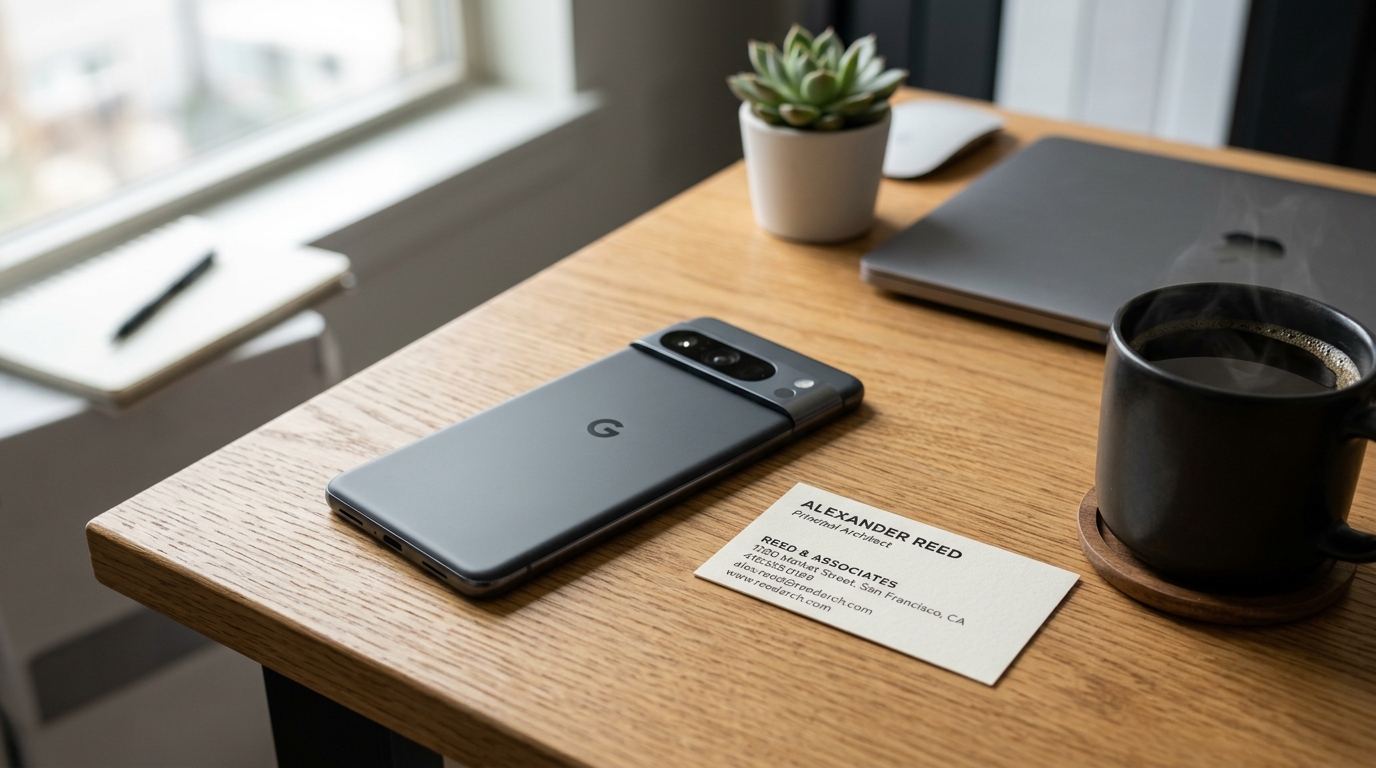
Are you still running your professional life through a chaotic patchwork of temporary messaging apps and disposable numbers? A dedicated VoIP phone service is a cloud-based telecommunications system that provides users with a separate, fully functional second phone line via their existing mobile device, bypassing the need for a secondary physical SIM card. As a communications engineer who has spent the past decade building and optimizing telecommunications infrastructure, I constantly see freelancers and small business operators missing critical client calls because they rely on consumer-grade connectivity.
The telecommunications industry is currently undergoing a massive structural shift. A recent 2024 Mobile App Trends report published by Adjust revealed that mobile consumer spend increased by 11% last year, reaching over $170 billion. Users are no longer willing to settle for ad-supported freemium limitations; they are actively paying for reliable, high-quality app infrastructure. If you are ready to move past the limitations of temporary connections, follow this practical, step-by-step process to establish a resilient communications setup.
Step 1: Audit Your Current Call and Text Habits
The first action to take is evaluating where your current setup fails. Many independent professionals initially download a free text app because it solves an immediate, short-term problem—like needing a quick number for an online marketplace registration. However, using tools like text free, text me, or a basic burner app for ongoing client relationships usually leads to dropped connections, missed voicemails, and an unprofessional caller ID experience.
Ask yourself these foundational questions:
- Do I need to receive SMS verification codes securely?
- Am I making long-duration outbound calls, or primarily receiving inbound inquiries?
- Does my caller ID need to reflect a specific regional presence, such as a 213 area code for Los Angeles clients?
Step 2: Compare VoIP Providers Against Basic Alternatives
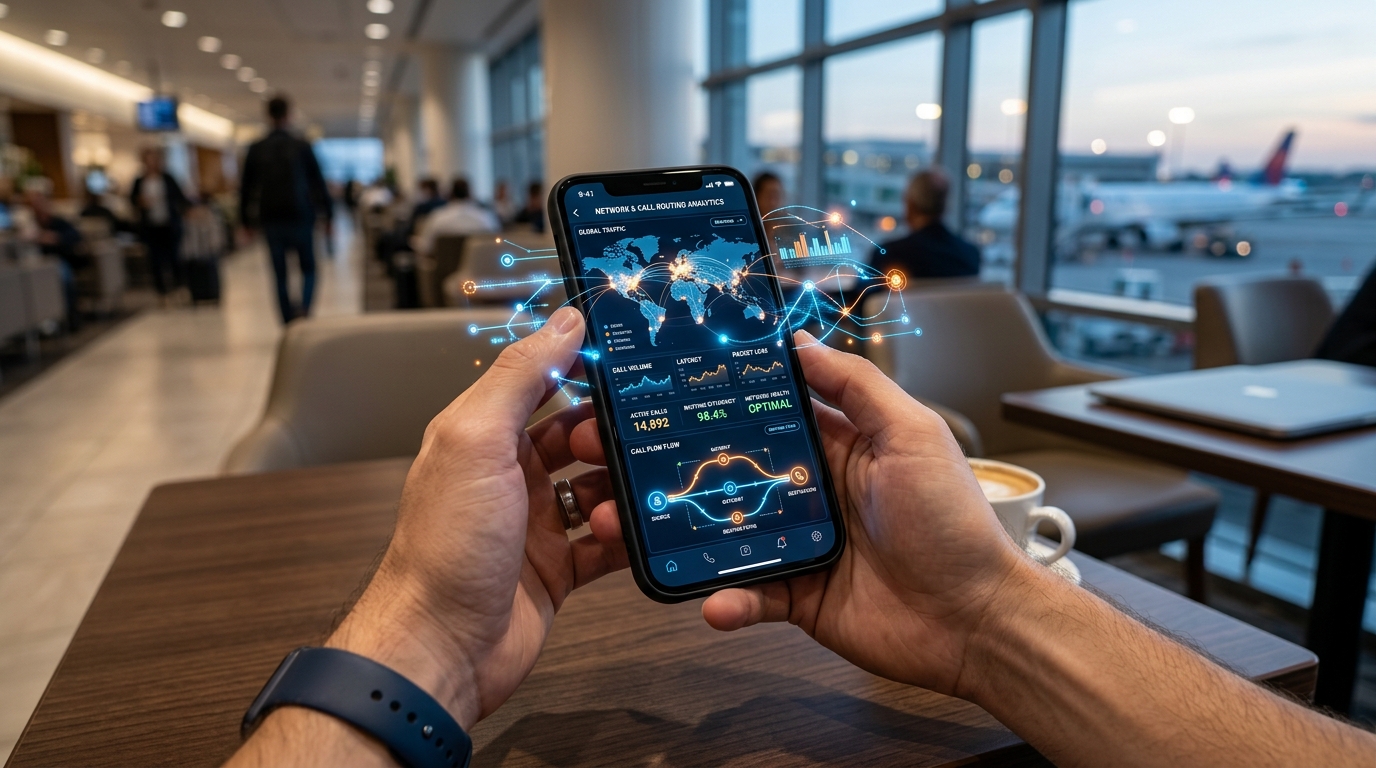
Once you understand your call volume, it is time to look at the market. When looking for a 2nd phone number, people generally fall into two distinct categories: those who need temporary communication, and those who need a permanent VoIP phone system.
Basic texting utilities like text now, textplus, and talkatone operate largely on an ad-supported model. They are functional for casual, peer-to-peer messaging but often recycle inactive numbers rapidly. On the other end of the spectrum, traditional VoIP providers offer heavy, desk-bound solutions. For example, an Ooma phone setup might be excellent for a brick-and-mortar storefront, but it doesn't always fit the workflow of a digital nomad or remote consultant who operates exclusively from a mobile handset.
My colleague Naz Ertürk covered this behavioral shift extensively in her analysis, What 50,000 Users Teach You About Google Voice, Line, Talkatone, TextPlus, and Text Me Alternatives, noting that users rapidly outgrow generic tools once they experience dropped inbound leads.
Step 3: Lock Down Your Privacy and Data Tracking Settings
Setting up a new line is not just about making a call; it is fundamentally about securing your personal data. Consumer awareness around privacy is at an all-time high. According to the same Adjust report, iOS App Tracking Transparency (ATT) opt-in rates have climbed steadily as people actively manage who gets access to their data.
When you rely on a completely free service, your metadata and usage patterns are often the product being sold to advertisers. If you use messaging platforms like Line or Zangi messenger for business, ensure you understand their data retention policies. A professional VoIP service encrypts your voice traffic and cleanly separates your public-facing business identity from your private carrier number, meaning your personal mobile digits stay completely out of public directories.
Step 4: Select the Best VoIP For Small Business Operations
With your requirements defined and privacy parameters set, you can select the actual infrastructure. The best VoIP for small business users is usually one that lives natively alongside the tools they already use. If you travel internationally, you are likely already using e-SIM providers like Airalo for mobile data. Your voice solution should be just as integrated.
You need a VoIP phone service that guarantees number retention as long as your subscription is active, provides clear direct inward dialing, and bypasses local carrier restrictions. If you want an enterprise-grade routing system without the corporate contract overhead, Second Phone Number DoCall 2nd's dedicated virtual infrastructure is designed for exactly that. It transforms your mobile device into a dual-line system without forcing you to carry two pieces of hardware.
Step 5: Avoid These Configuration Mistakes
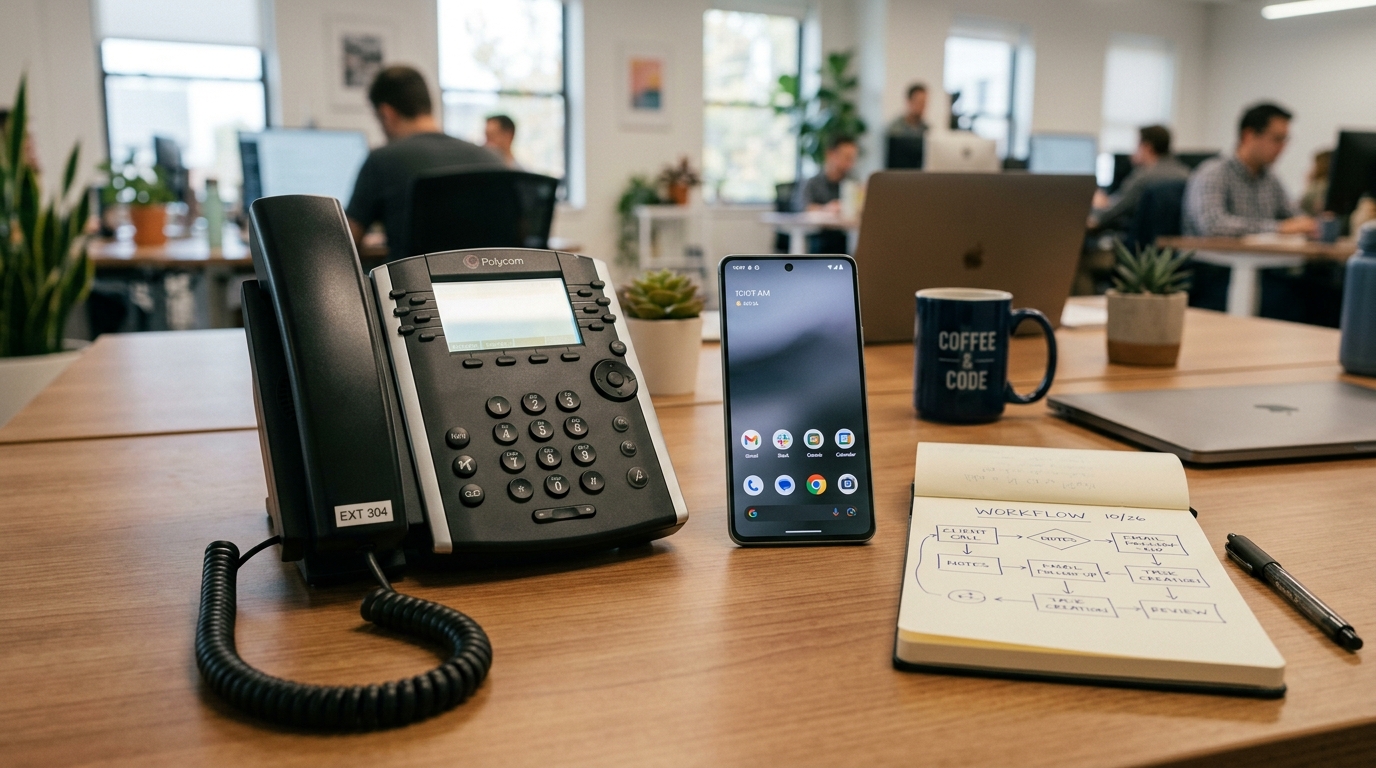
Even with the right app installed, configuration errors can undermine your new setup. Avoid these common pitfalls during your initial deployment:
- Using the wrong tool for international dialing: Do not mix up your local business presence with international calling cards. An app like Boss Revolution is built primarily for cheap international consumer calling, not for establishing a credible, localized business presence in a specific regional market.
- Neglecting voicemail separation: A major mistake I see is routing a Google Voice or Googlevoice number directly to a personal carrier voicemail. You must configure your app to intercept unanswered calls natively, ensuring clients hear a professional greeting rather than your personal cell phone message.
- Treating a permanent line like a textfree burner: Once you publish your new number on your website, business cards, or software profiles, you cannot afford to let it expire. Treat your digital line as a core asset, just as you would a company domain name.
Step 6: Test and Finalize Your New Voice Ecosystem
The final step is to rigorously test your new VoIP phone before giving it to a client. Use your personal carrier number to call your new business line. Send an SMS with a photo attachment to verify MMS compatibility. Let a call go to voicemail to ensure the custom greeting triggers correctly and that the notification pushes to your lock screen without delay.
Building a professional presence today does not require thousands of dollars in hardware. By stepping away from disposable Textnow environments and investing in cloud-based routing, you protect your privacy, improve your client experience, and build a scalable foundation for your daily work. We engineer these systems so that you can focus entirely on your business, trusting that the calls will always connect.
For those looking to explore other utility applications optimized for daily digital life, you can also check out the broader portfolio at Dynapps LTD, which develops privacy and productivity tools for modern mobile users.