

Last month, while reviewing server load patterns for our mobile security infrastructure, I noticed a massive spike in users abandoning legacy communication tools. A freelance software consultant reached out to me shortly after, frustrated and panicked. He had been using a generic “TextNow” or “Talkatone” application to handle his international client calls. During a critical contract negotiation, the app aggressively cached background ads, stalled his device, and ultimately dropped the connection. He lost the client. This conversation was a stark reminder of a structural failure I see constantly: professionals treating essential telecom infrastructure as an afterthought.
A modern VoIP phone system is no longer just a digital dialer; it is a privacy-first, AI-integrated communication boundary designed to separate personal and professional digital identities. This architecture is specifically built for freelancers, remote teams, and independent professionals who manage sensitive client data. Conversely, it is not for casual users looking for a temporary burner setup just to bypass an online verification screen.
As the mobile economy expands, the assumptions we made about communication five years ago are actively harming our digital security. Let’s dismantle four pervasive myths about mobile telecommunications using real-world data and architectural realities.
The single-device lifestyle offers sufficient digital privacy.
The Myth: You can safely run a business, manage personal banking, and interact with the public using a single primary phone number, perhaps utilizing a basic dual-SIM setup.
The Reality: Mixing your public and private communication on a single identifier exposes you to severe data aggregation risks. When you use one number for everything, that number becomes a universal key for data brokers.
We are seeing a fundamental shift in how consumers view their data. According to the latest Mobile App Trends 2026 report by Adjust, iOS App Tracking Transparency (ATT) opt-in rates increased from 35% in the first quarter of 2025 to 38% in the first quarter of 2026. While users are slightly more willing to share data with trusted apps, they are simultaneously becoming ruthless about segmenting their digital lives. Relying on one number is structurally flawed.
As my colleague Can Arslan explained in a recent guide on virtual boundaries, a unified device without logical separation is a massive liability. You do not need to carry two physical phones to achieve this separation. Acquiring a 2nd phone number via a dedicated mobile architecture allows you to maintain strict boundaries. If a client calls your business line, you know exactly what context applies before you answer, preserving your personal number entirely for close contacts.

Ad-supported calling utilities provide transaction-grade reliability.
The Myth: Free, ad-supported apps are functionally equivalent to paid VoIP systems and are perfectly fine for professional use.
The Reality: “Free” always comes with a hidden latency and reliability cost. Ad-supported platforms are engineered to serve impressions, not to prioritize voice packet delivery.
Let’s look at the broader mobile industry. The 2026 Adjust report highlights that global consumer spending on mobile applications surged by 10.6%, reaching a staggering $167 billion. Users are actively paying for premium, frictionless experiences because they recognize the cost of poor performance. In fact, parallel industry data from industry analysts indicates that 70% of users will delete a slow or clunky app immediately after the first use.
When you attempt to close a deal or handle secure client data over a fragmented ad-network, you introduce packet loss and jitter. Dedicated VoIP providers build their infrastructure differently. They utilize direct inward dialing and prioritize SIP (Session Initiation Protocol) traffic over isolated servers. If you are comparing a consumer-grade Google Voice account with a professional VoIP service, the difference lies entirely in packet prioritization and backend routing stability.
Enterprise-grade routing requires heavy hardware investments.
The Myth: Small business owners believe that to get professional call routing, automated attendants, and dedicated local numbers, they must invest in a physical Ooma phone system or expensive desktop PBX hardware.
The Reality: Software-defined telecommunications have completely decentralized the PBX model.
Historically, establishing a local presence—such as securing a prestigious 213 area code for a Los Angeles client base—required physical lines or costly enterprise contracts. Today, the best VoIP for small business operations lives entirely within the mobile devices your team already owns.
We build mobile applications with this exact philosophy at Dynapps LTD, focusing on bringing enterprise-level capabilities to the individual user. You can deploy a comprehensive VoIP phone system from an app layer. If you want fluid separation of business traffic without buying new hardware, Second Phone Number DoCall 2nd’s routing architecture is designed for that. It bypasses the need for legacy desk phones, allowing independent contractors to present a unified corporate image directly from their smartphones.
Artificial intelligence is just a superficial software layer.
The Myth: AI in telecommunications is just a marketing term for basic spam filtering and automated voice menus.
The Reality: AI has transitioned from a superficial feature to core network infrastructure.
The transition into 2026 marks the era of “Native and AI” integration. The Adjust report emphasizes that mobile growth is no longer about simple campaign optimization; it is dictated by AI-supported analytics and multi-platform measurement architecture. In telecommunications, this translates to predictive routing and dynamic bandwidth allocation.
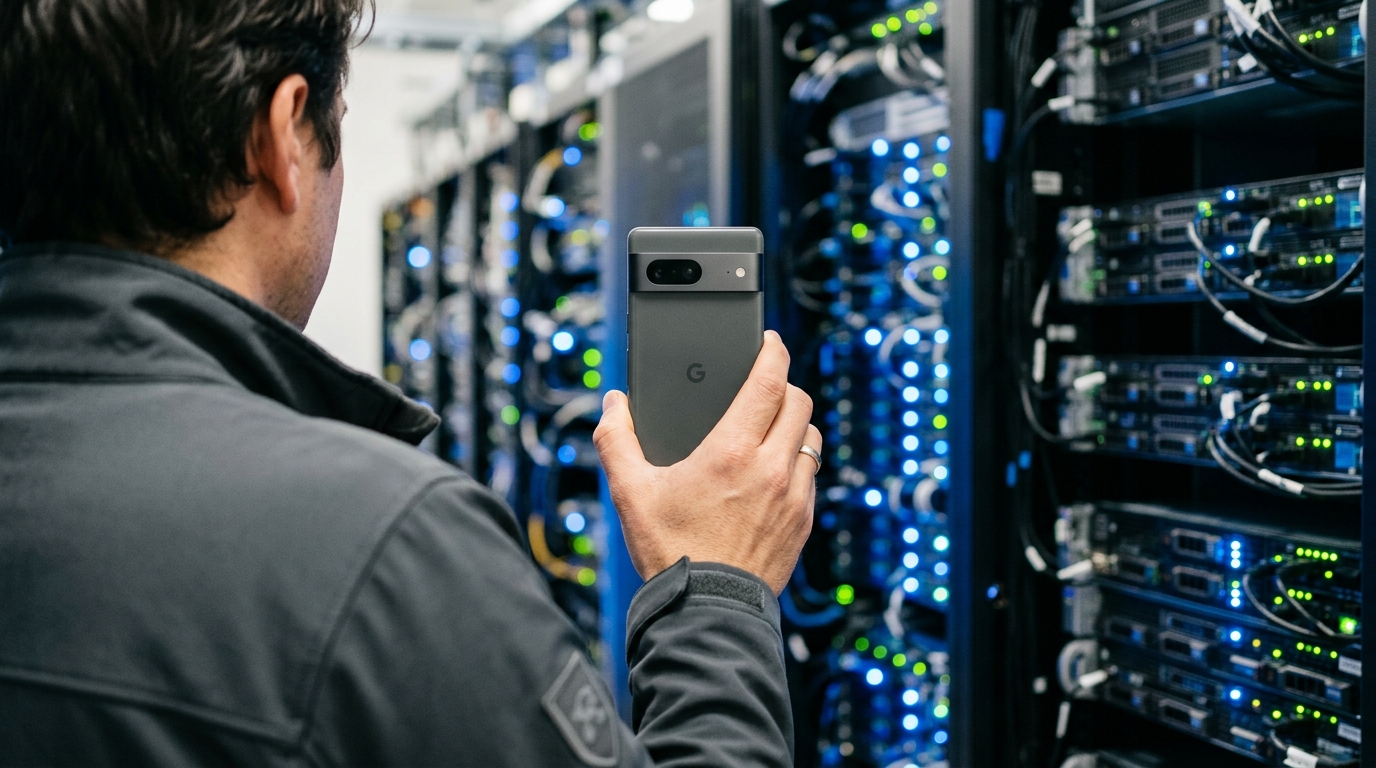
Consider the nomadic professional. A user might switch between an Airalo travel eSIM in Berlin and local Wi-Fi in Tokyo. A legacy system struggles with these IP changes, resulting in dropped calls. A modern, AI-integrated VoIP phone service actively monitors network latency in real-time, buffering voice packets dynamically to prevent degradation during network handoffs. It isn’t just blocking spam; it is actively reconstructing data packets to ensure your voice sounds clear regardless of underlying network volatility.
The mobile communication space is unforgiving. With global app sessions rising by 7% year-over-year, network congestion is an ongoing reality. Clinging to outdated, ad-heavy communication tools or assuming a single carrier number will protect your privacy is a failing strategy. By understanding the infrastructure behind your communication tools, you can actively protect your digital footprint, secure your client interactions, and operate with the reliability of a major enterprise—all from the device already in your pocket.