

Are we finally witnessing the end of fragmented digital communication? Over the past several years managing product roadmaps for family tracking and location services, I have spent countless hours analyzing how people interact with their mobile devices. The underlying expectation has fundamentally shifted. A voip phone service is a digital communications system that routes calls over the internet rather than traditional cellular networks, providing a dedicated, secure channel for public-facing interactions. Today, users expect these virtual systems to be as fast, reliable, and native-feeling as their primary carrier line.
The data from the past year confirms this transition. Mobile users are tired of managing a messy collection of ad-supported tools just to keep their personal and professional lives separate. The digital ecosystem is maturing, and the way we evaluate communication apps—especially when choosing a 2nd phone number—has entirely changed.
How does a $167 billion app economy change user expectations?
The sheer scale of the mobile market dictates the quality of the software we use daily. According to a recent analysis by Adjust in their Mobile App Trends 2026 report, consumer spending on mobile applications surged by 10.6% in 2025, reaching an incredible $167 billion. Alongside this massive financial footprint, global app installations increased by 10%, and overall session lengths climbed by 7%.
This growth does not mean users are downloading everything in sight. Quite the opposite. Because people are spending more money and spending more time (with e-commerce sessions up 5% and gaming maintaining steady growth), their tolerance for poor performance has vanished. A 2026 report by industry analysts highlights a stark reality: 70% of users will immediately delete a slow or buggy application after their first use.
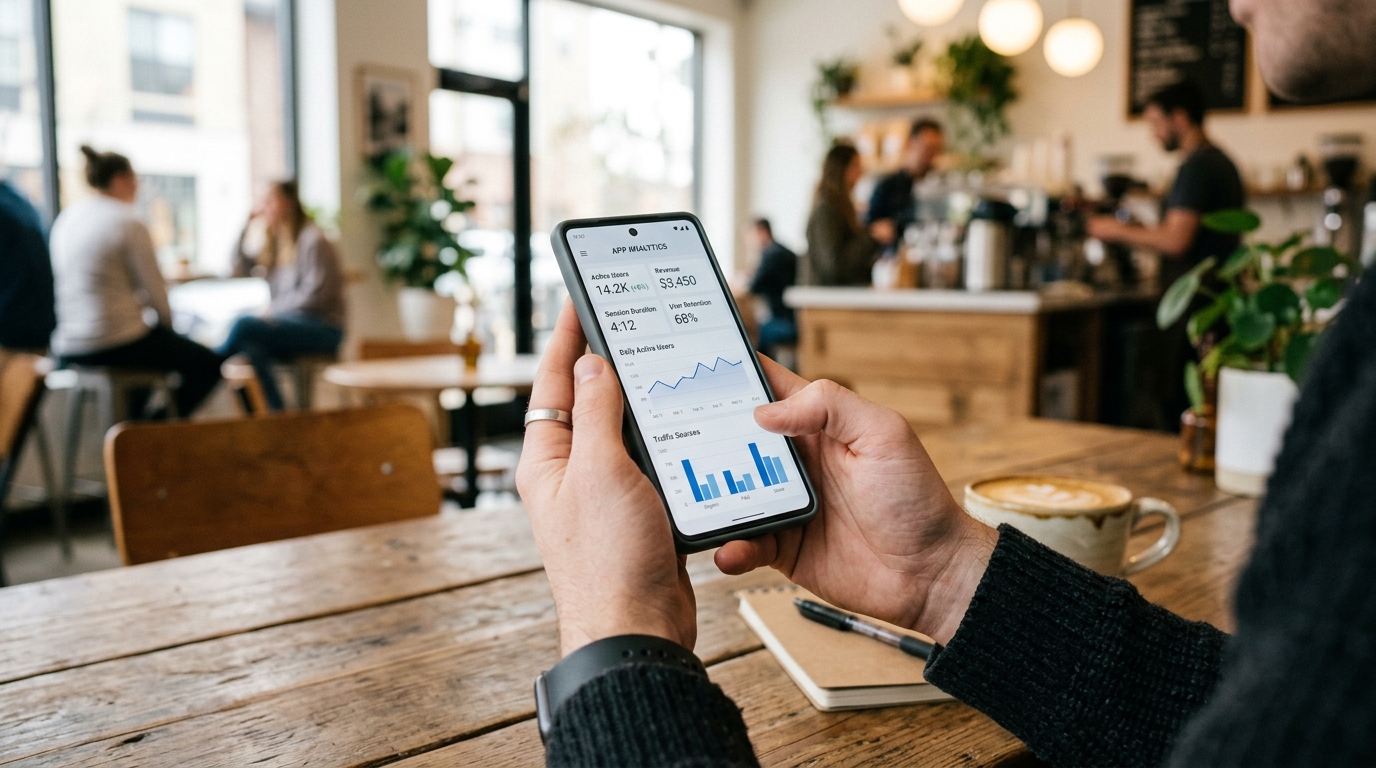
If you are a professional trying to conduct business or an individual trying to manage an online presence safely, you cannot afford dropped calls or delayed messages. As my colleague Can Arslan outlined in his recent analysis of the $167 billion mobile shift, the market is actively moving away from the ad-supported models of the past toward integrated, privacy-focused architectures.
Why are legacy texting options failing modern privacy standards?
Historically, when someone needed an extra line, they turned to a free text app. You might have previously tried platforms like text now, text free, or textplus. A few years ago, these were adequate solutions. They served casual users, students, or individuals looking for a quick, temporary way to message without handing out their real digits.
However, the internet is vastly different now. These legacy tools often rely on aggressive ad networks and share data across multiple third-party servers to subsidize their free models. Furthermore, apps like talkatone, line, or even zangi messenger are primarily designed for peer-to-peer social messaging rather than structured communication boundaries.
Privacy is no longer just a buzzword; it is a measurable user demand. The same 2026 Adjust data reveals that Apple's App Tracking Transparency (ATT) opt-in rates among iOS users rose from 35% in early 2025 to 38% in the first quarter of 2026. People are actively managing who gets to see their activity. Relying on a basic burner app or older platforms like boss revolution for regular communication introduces unnecessary privacy risks and delivers an inconsistent user experience.
What role does AI play in a dedicated voip phone service?
Perhaps the most significant finding from recent market reports is the evolution of artificial intelligence. Adjust noted that in 2026, AI transitioned from being an experimental strategic tool into foundational infrastructure for mobile applications. This is exactly what I see when developing location-based products, and it applies directly to the telecom space.
In a modern voip phone system, AI acts as a silent traffic controller. Instead of relying on manual blocklists to stop spam, intelligent routing algorithms analyze call origins in real time to filter out robocalls before your device ever rings. My fellow product manager Berk Güneş covered this thoroughly in his breakdown of why AI infrastructure is fixing the broken VoIP experience. The underlying technology ensures that your calls remain crisp and secure, regardless of whether you are connected to home Wi-Fi or a cellular data network.
Who actually needs a dedicated digital boundary today?
Whenever I discuss digital safety, the concept of a virtual boundary comes up. A dedicated voip service is built for specific use cases. It is explicitly designed for freelancers separating client calls from family time, small business owners who need a professional presence, and privacy-conscious individuals managing online marketplace listings or short-term projects.
Conversely, who is this NOT for? If your only goal is to chat with relatives overseas while on vacation, a temporary travel eSIM like airalo or a standard social messaging app is likely a better fit. Furthermore, a permanent digital line is not meant for people seeking anonymous, disposable numbers to bypass platform security verifications.

If you want consistent call quality without mixing your personal and public life, Second Phone Number DoCall 2nd's cloud-based routing provides exactly that. It grants you a stable presence—such as a recognizable 213 area code—without requiring a second physical device.
How should you evaluate voip providers in 2026?
When searching for the best voip for small business or personal organization, the selection criteria must reflect the current technological environment. Forget about simply looking for the cheapest upfront cost. The true value lies in stability, privacy, and integration.
First, evaluate the infrastructure. Is the app natively optimized for modern operating systems, or does it feel like a web wrapper ported from a decade ago? Remember that 70% deletion rate for slow apps. Second, consider the hardware requirements. Comparing a physical office setup like an ooma phone against a mobile-first app involves recognizing how you work. If your work happens on the move, you need software that integrates naturally with your other daily tools, perhaps in an ecosystem built by a dedicated developer like Dynapps LTD.
Finally, examine data sovereignty. Does the provider clearly outline how your call data is processed? The transition away from "free" text options is fundamentally a transition toward paying for peace of mind. A genuine digital number is an asset that protects your primary contact information while providing a high-fidelity connection to the outside world.
The market has clearly spoken. With billions of dollars flowing into mobile ecosystems and a higher demand for user privacy than ever before, the patchwork approach to communication is fading. Establishing a clean, dedicated boundary on your primary device is no longer just a technical luxury; it is the baseline requirement for moving through the modern digital world safely.