
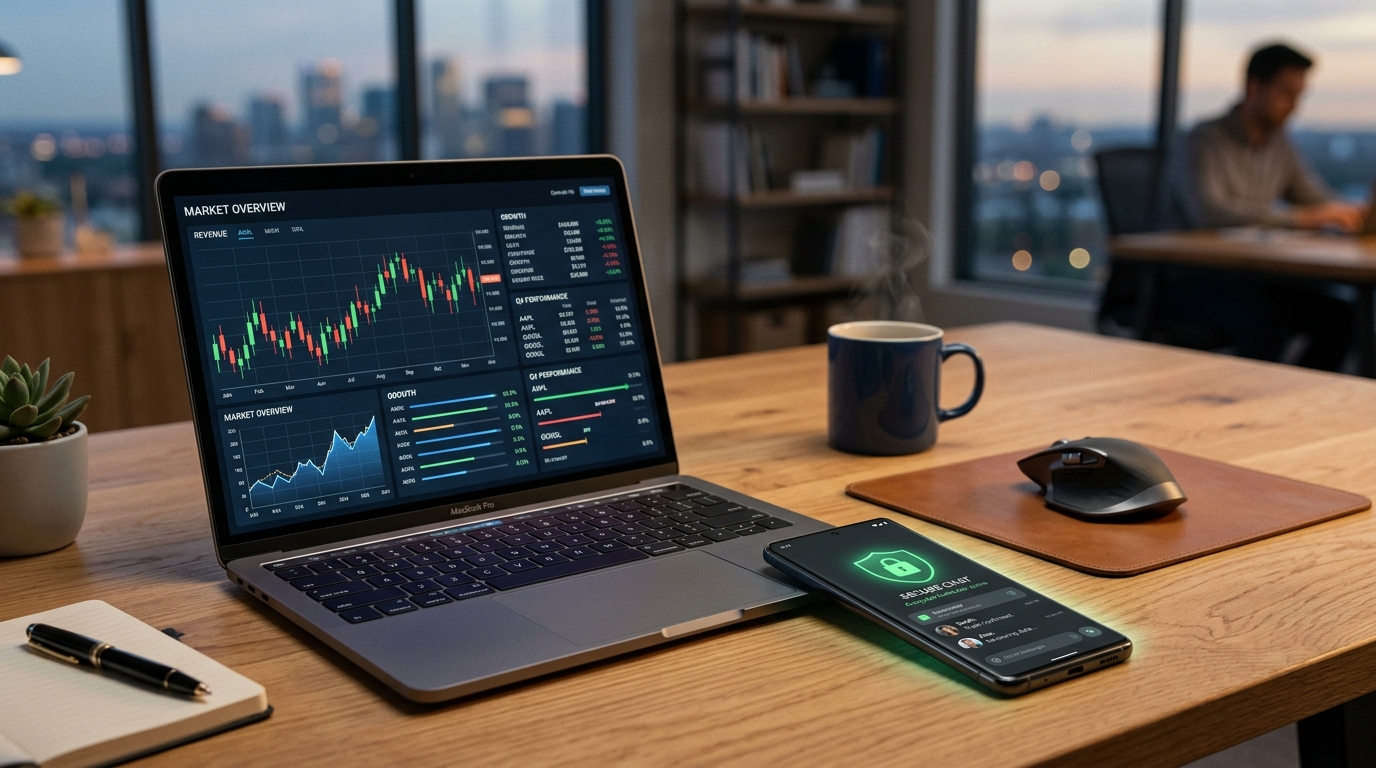
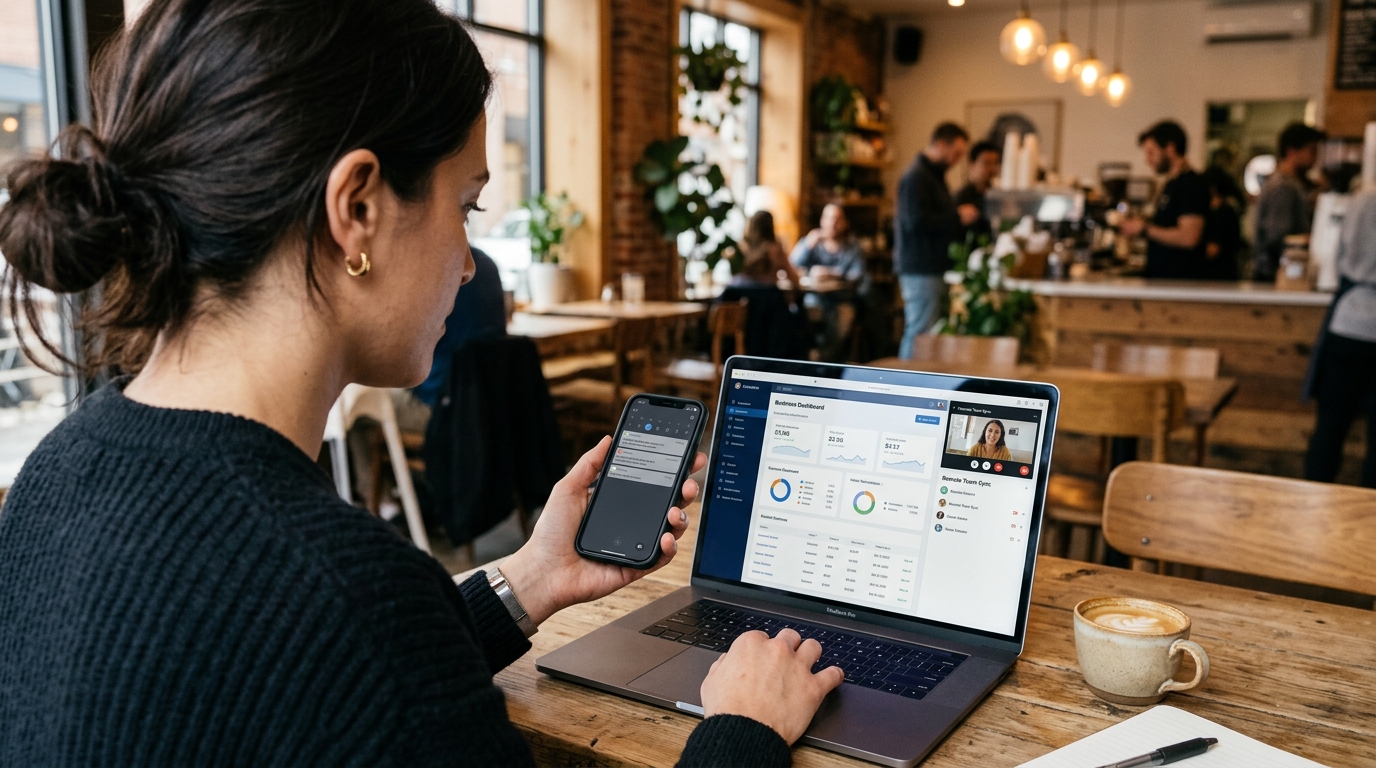
Imagine managing your freelance client payments and logging into your business trading platform from a coffee shop halfway across the world. You’ve set up an Airalo eSIM for mobile data, but when the platform prompts you for a critical two-factor authentication (2FA) code, it sends it to the free text app you downloaded six months ago. You open the app, only to discover your "free" number was recycled due to inactivity. You are locked out of your own funds. I see variations of this scenario every single week in the telecommunications sector. Professionals treat their communication infrastructure as an afterthought until a critical failure occurs.
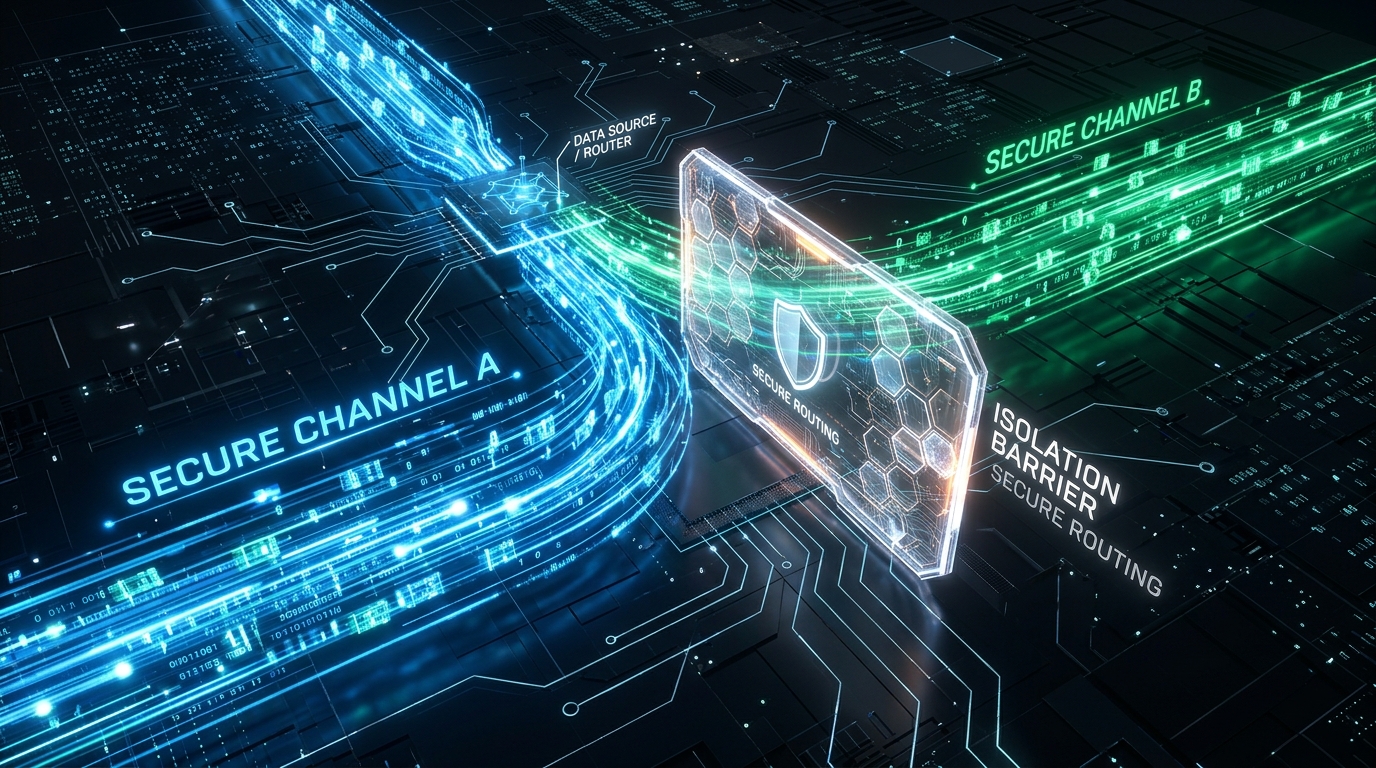
Transaction-Grade VoIP Isolation is a modern telecommunications architecture that strictly separates sensitive communications—such as banking alerts, client contracts, and secure access codes—onto a dedicated, encrypted secondary line rather than routing them through a shared primary device or a disposable ad-supported app. If you are looking for secure, persistent separation of your business and personal data, Second Phone Number DoCall 2nd's new Transaction-Grade Isolation feature is engineered precisely for that purpose.
Financial applications demand stricter communication boundaries
The digital ecosystem has shifted massively, and the tools we use to communicate must adapt. We are managing unprecedented amounts of capital through mobile interfaces. According to the Mobile App Trends 2026 report by Adjust, the financial application sector is undergoing a historic surge. In 2024 alone, finance apps were downloaded over 7 billion times globally, with users spending 21 billion hours on these platforms.
The stakes are incredibly high. The same Adjust report highlights that consumer banking applications have crossed the 2 billion download threshold, and digital wallets are projected to push global payment revenues to $3 trillion by 2028. Furthermore, cryptocurrency applications are actively recovering, on track to reach 580 million mobile users in 2025, while stock trading apps generated over $25 billion in revenue in 2024. When your mobile device is the central hub for this level of financial activity, relying on a TextFree or generic line to handle secure verifications is fundamentally unsafe. You need a permanent, isolated VoIP phone system.
Free texting tools fail under transaction-level scrutiny
When users first realize they need a secondary number, they often compare tools like TextNow, Zangi, and Talkatone. While these applications serve basic casual communication needs, they are structurally inadequate for professional or financial use.
Let's look at a direct comparison between ad-supported models and dedicated infrastructure:
- Number Persistence: Apps like TextNow and TextMe operate on a model of constant number recycling. If you do not send a message within a brief window, your number is reclaimed and given to someone else. In contrast, a true VoIP phone service leases a permanent direct inward dialing (DID) number to you. Once you secure a 213 area code or any other local identifier through DoCall 2nd, it remains under your strict control.
- Infrastructure Security: A burner app routes your messages through basic, unencrypted channels optimized for high-volume, low-cost delivery. Transaction-Grade Isolation routes data through secure, dedicated servers, ensuring that your communication with clients or financial institutions is not mingled with targeted advertising data.
- Data Segmentation: When using Zangi Messenger or LINE for business, your contacts and data are often merged with the app's internal social graph. A dedicated 2nd phone number isolates your business directory entirely from your personal phonebook.
My colleague İrem Koç recently analyzed this structural shift, noting that ad-supported texting tools are simply incompatible with modern privacy requirements and the evolving needs of the global app economy.
Dedicated VoIP architecture provides superior control for small businesses
If you operate a small team or manage independent contracts, you likely need the best VoIP for small business operations without the massive overhead of enterprise hardware. Historically, business owners turned to legacy systems like an Ooma phone or early iterations of Google Voice. While these were improvements over traditional landlines, they often lack the agility required by modern remote work.
Comparing legacy systems to modern mobile VoIP reveals clear operational differences. A legacy VoIP service often requires hardware adapters or restrictive desktop applications. Modern VoIP providers have shifted entirely to mobile-first architectures. The latest feature update in Second Phone Number DoCall 2nd allows you to establish strict routing rules directly from your mobile interface. If a call comes in during your designated off-hours, it doesn't just go to a generic voicemail; it is actively segmented, keeping your personal time genuinely private.
Furthermore, local presence matters. A freelancer trying to establish trust in Los Angeles benefits immensely from a persistent 213 area code. Using a temporary textPlus number that displays as a generic toll-free or unverified caller instantly signals to clients that your operation is temporary. A dedicated call system projects permanence.
Evaluating your communication infrastructure requires a realistic risk assessment
Choosing the right tool is not about finding the cheapest option; it is about matching the infrastructure to your operational risk. Here is a practical framework I use when advising clients on their telecommunications setup:
1. The Ad-Supported "Burner" Approach (High Risk)
Using disposable apps for client work or financial verifications.
Verdict: Highly discouraged for professionals. The risk of number recycling and poor call quality outweighs the zero-cost price tag.
2. Legacy Business VoIP (Medium Risk)
Using desktop-bound systems or older tools like Google Voice.
Verdict: Functional, but often lacks modern mobile integration and strict data isolation. These tools frequently blur the lines between your personal Google account data and your business communications.
3. Transaction-Grade VoIP Isolation (Low Risk)
Utilizing a dedicated app like DoCall 2nd that treats your second line as a permanent, secure vault for business and high-stakes verifications.
Verdict: The recommended standard for 2026. As mobile development studios like Dynapps LTD continue to innovate, the integration of secure mobile architecture directly into consumer devices makes enterprise-grade VoIP accessible to individual professionals.
Proper implementation protects your digital livelihood
We receive frequent questions from users transitioning away from consumer-grade tools. Here are two practical answers to clarify the migration process:
Does a VoIP number work internationally?
Yes. Unlike a physical SIM card that incurs massive roaming fees, a VoIP number operates over data. Whether you are connected to hotel Wi-Fi in Tokyo or using a travel eSIM, your business line rings exactly as it would at home.
Can I port my business contacts away from my primary device?
Absolutely. The core purpose of transaction-grade isolation is to prevent database merging. Your VoIP app maintains its own distinct address book, ensuring that a client named "John" is never accidentally mixed up with your personal friend "John." Maintaining this virtual boundary is a technical requirement for any professional managing sensitive data.
Modern telecommunications is no longer about just making a call; it is about protecting your data, your financial assets, and your professional reputation. As digital payments and mobile banking continue their exponential growth, the era of relying on a disposable free text app is over. Upgrading to a permanent, isolated VoIP infrastructure is one of the most critical operational decisions a modern professional can make.