
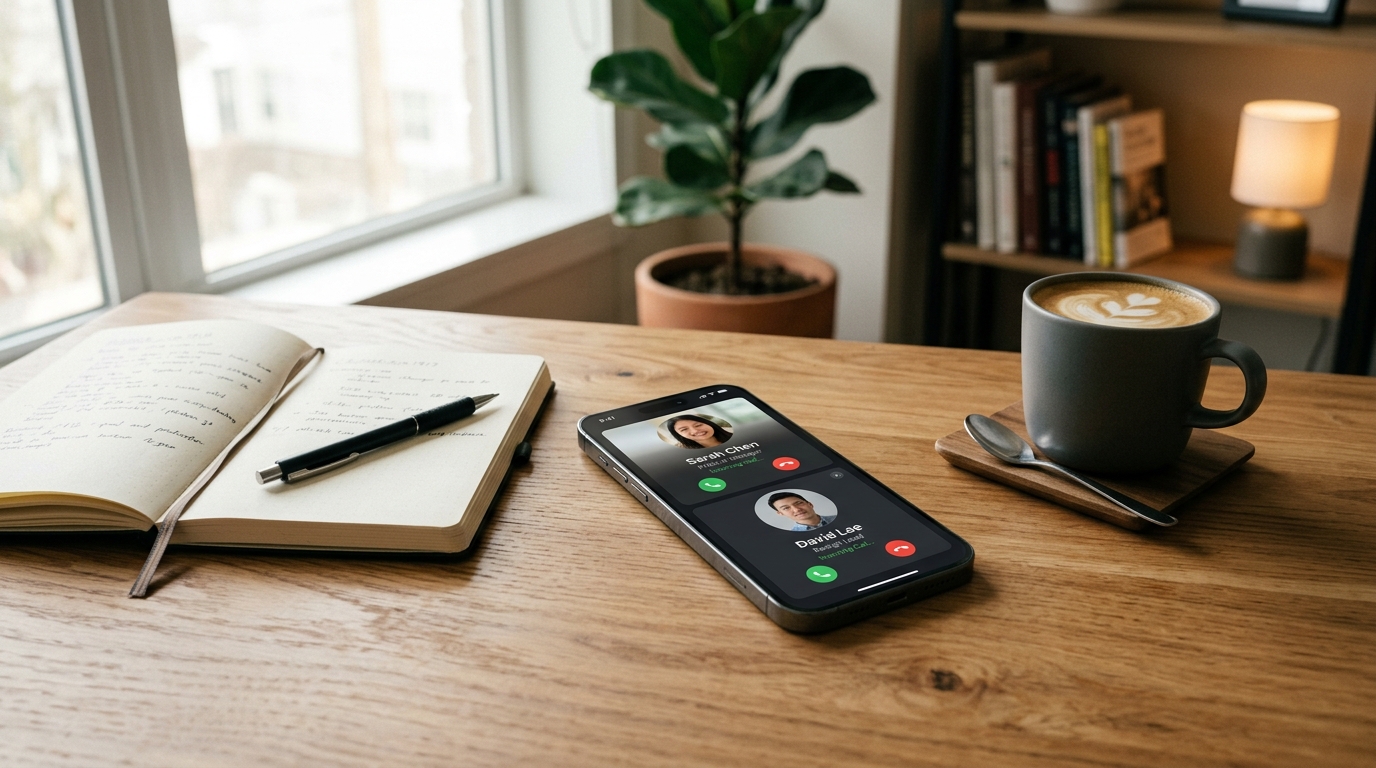
Early in my career configuring telecommunications infrastructure, I worked with a freelance consultant who nearly lost her most valuable client because her phone lines were hopelessly entangled. She had tried using a basic free text app to manage her incoming business inquiries, but the routing was inconsistent. Calls dropped, voicemails merged, and her clients frequently saw a confusing mix of caller IDs. Within a month, she surrendered and bought a second physical handset. She spent the next year frustrated by the constant context-switching, battery drain, and the physical bulk of carrying two devices everywhere she went.
That situation was common a decade ago, but the telecom sector has fundamentally shifted. A virtual second phone number is a cloud-based communication line that operates through an application on your existing mobile device, allowing you to completely separate personal and professional calls, texts, and voicemails without requiring a secondary SIM card or a physical handset. It routes data through internet protocols rather than traditional cellular networks, providing an isolated communication environment on hardware you already own.
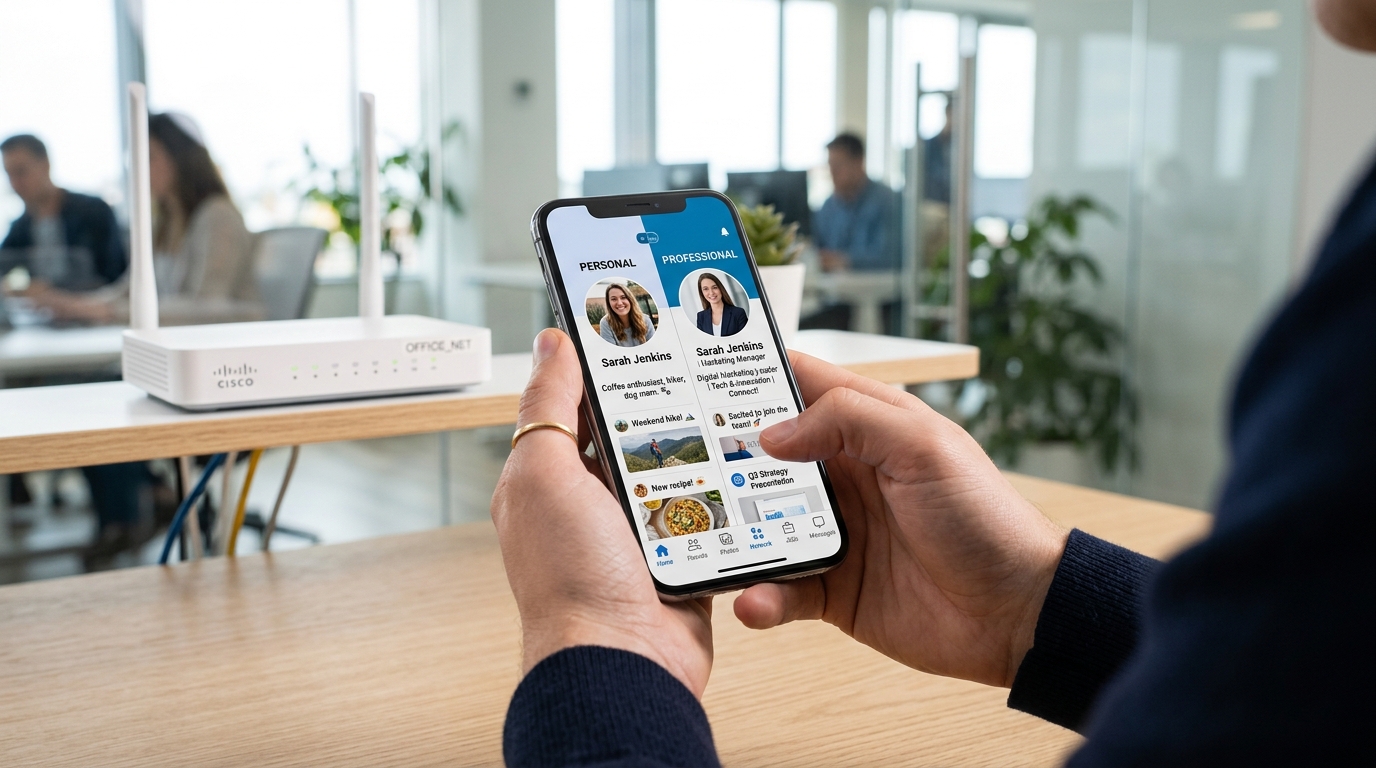
Why are professionals abandoning the dual-device setup?
The reliance on two physical phones is rapidly becoming obsolete, driven entirely by how much we now trust and utilize our primary mobile devices. I see this reflected clearly in recent industry data. According to the Mobile App Trends 2026 report published by Adjust, global consumer spending on mobile applications climbed by 10.6% in 2025, reaching an astounding $167 billion, alongside a 7% increase in global app sessions.
We are centralizing our lives onto a single pane of glass. However, this centralization brings a significant challenge: boundary management. The same Adjust report noted that Apple’s App Tracking Transparency (ATT) opt-in rates rose to 38% by the first quarter of 2026. This metric is telling. It proves that while users are conducting more of their lives on their phones, they are becoming highly deliberate about privacy, data sharing, and digital boundaries. We no longer want a second phone; we want our primary phone to clearly divide our personal identity from our public-facing obligations.
How does a modern VoIP phone service differ from legacy internet calling?
In the early days of VoIP (Voice over Internet Protocol), the technology was notoriously fragile. If you used an early VoIP phone system over a weak 3G connection, the packet loss resulted in robotic voices and massive latency. To solve simple messaging needs, the market flooded with ad-supported platforms.
Today, the infrastructure is completely different. As an engineer, I view a modern VoIP service not just as a calling tool, but as a routing engine. Dedicated VoIP providers now utilize adaptive bitrate algorithms and advanced edge networking to ensure that a call placed over a standard LTE or Wi-Fi connection sounds as clear as traditional copper wire lines. This is a massive leap from the architecture used by legacy platforms. While a basic burner app just masks your caller ID temporarily, a professional VoIP phone establishes a persistent, reliable identity with direct inward dialing and localized routing.
Who actually needs an isolated communication line?
The assumption that secondary numbers are only for temporary, anonymous use is outdated. The target audience for modern virtual lines is highly specific, and understanding this helps determine which tools to deploy.
This architecture is designed for:
- Independent Contractors and Freelancers: Professionals who need to list a contact number on public directories, websites, or business cards without exposing their private family number.
- Small Teams and Startups: Those searching for the best VoIP for small business operations, where calls need to ring clearly, voicemails need transcription, and communication must look established.
- Remote Workers: Employees who want a local presence (like a specific 213 area code for Los Angeles) regardless of where they physically reside.
Who this is NOT for:
If you only need to receive a single SMS verification code for a website you will never visit again, a heavy-duty VoIP application is over-engineered for your needs. A cheap, temporary TextFree solution might technically suffice, though many platforms actively block those numbers now due to fraud concerns.
Don't casual apps like Google Voice, Talkatone, or Line already solve this?
This is the most common counterargument I hear. When people realize they need a boundary, they immediately look for familiar consumer names: Google Voice, Line, Talkatone, Text Me, or textPlus. Many users spend hours comparing TextNow, TextFree, Zangi, and Google Voice.
My stance on this is clear: consumer-grade apps are built for casual conversations, not professional isolation. Zangi Messenger, for instance, is excellent for decentralized, private messaging between peers who both have the app installed. Airalo is fantastic for securing an eSIM for data while traveling. Boss Revolution handles cheap international minutes effectively.
However, when you need a business contact line, relying on a free text app usually means dealing with intrusive banner ads, aggressive data harvesting, or numbers that expire if you don't use them frequently. Furthermore, systems like an Ooma phone are highly reliable but often tie you down to physical desk hardware. My colleague Naz Ertürk covered this psychological barrier extensively in her analysis, as Naz Ertürk explained in a recent post regarding the myths of virtual number limitations.
What role does AI infrastructure play in the modern phone?
We cannot discuss 2026 telecom architecture without addressing the elephant in the server room: artificial intelligence. The Adjust 2026 report emphasizes that AI has transitioned from a hyped concept into foundational infrastructure for segmentation, insights, and end-to-end operational optimization.
In the context of a virtual line, AI is actively fixing the spam problem. Legacy numbers are bombarded with robocalls. Modern systems use machine learning models at the network edge to analyze call signaling data, silently dropping flagged spam before your device even registers a notification. This means your secondary line remains a quiet, protected space dedicated strictly to legitimate professional inquiries.
If you want this level of clean separation and algorithmic protection, Second Phone Number DoCall 2nd’s architecture is designed specifically for that purpose. It strips away the ad-clutter of legacy messaging tools and provides a stable, isolated environment for your public-facing life.
How should you configure your communication stack for the first time?
If you are transitioning away from a single-number setup or abandoning a frustrating dual-device habit, the configuration phase is critical. I recommend a specific three-step approach to ensure your new VoIP setup actually serves its purpose.
First, define your visual boundaries. Do not configure your new 2nd phone number to use the same notification sound as your primary cellular line. The psychological benefit of a virtual number is knowing immediately whether an incoming call is work or personal just by the ringtone.
Second, choose your geographical identity deliberately. The area code you select communicates your business location to the caller. If your clientele is primarily based in Southern California, securing a 213 area code establishes immediate local trust, even if you are operating out of an office three states away.
Finally, test the offline routing behavior. A dependable system should gracefully handle situations where you are out of data coverage by sending callers to a dedicated professional voicemail, rather than dropping the call or looping back to your personal carrier voicemail. By treating your virtual line with the same architectural respect as physical hardware, you protect your privacy, eliminate the need for a second device, and present a far more reliable image to the people trying to reach you.