

Businesses once treated direct inward dialing as a back-office telecom feature. Now ordinary users are starting to expect the same thing from a personal or work-related phone number: a reachable line that feels direct, local, and easy to manage. If you are considering a 323 area code, the shift is simple to understand—people want a number that works like a real point of contact, not just a temporary messaging workaround.
From my perspective as someone who covers communication tools and remote work habits, that change has been building for years. The interesting part is that it is no longer limited to companies with large VoIP phone system setups. Freelancers, sellers, creators, property hosts, and small teams now look for the same basic outcome: a dedicated number people can call directly, with fewer barriers and less personal exposure.
Step 1: Recognize why direct inward dialing matters beyond office phone systems
Direct inward dialing means a caller can reach a specific number directly without going through a shared switchboard or main receptionist line. In practical terms, that is why the feature matters so much in modern VoIP service and VoIP phone tools: it makes a number feel personal, intentional, and usable.
Years ago, many people were satisfied with whatever extra line they could get. That often meant a patchwork setup: a messaging app here, a forwarding tool there, maybe a temporary number for listings or signups. But user behavior has changed. People now expect one number to handle calls and texts in a cleaner way, especially when they are dealing with clients, marketplace buyers, short-term rentals, or side-business inquiries.
That is where direct inward dialing has moved from telecom jargon into everyday relevance. Even if users never say the term out loud, they are often looking for the benefit behind it: “Give me a number people can reach directly.”
Step 2: Understand why the 323 area code still carries local value
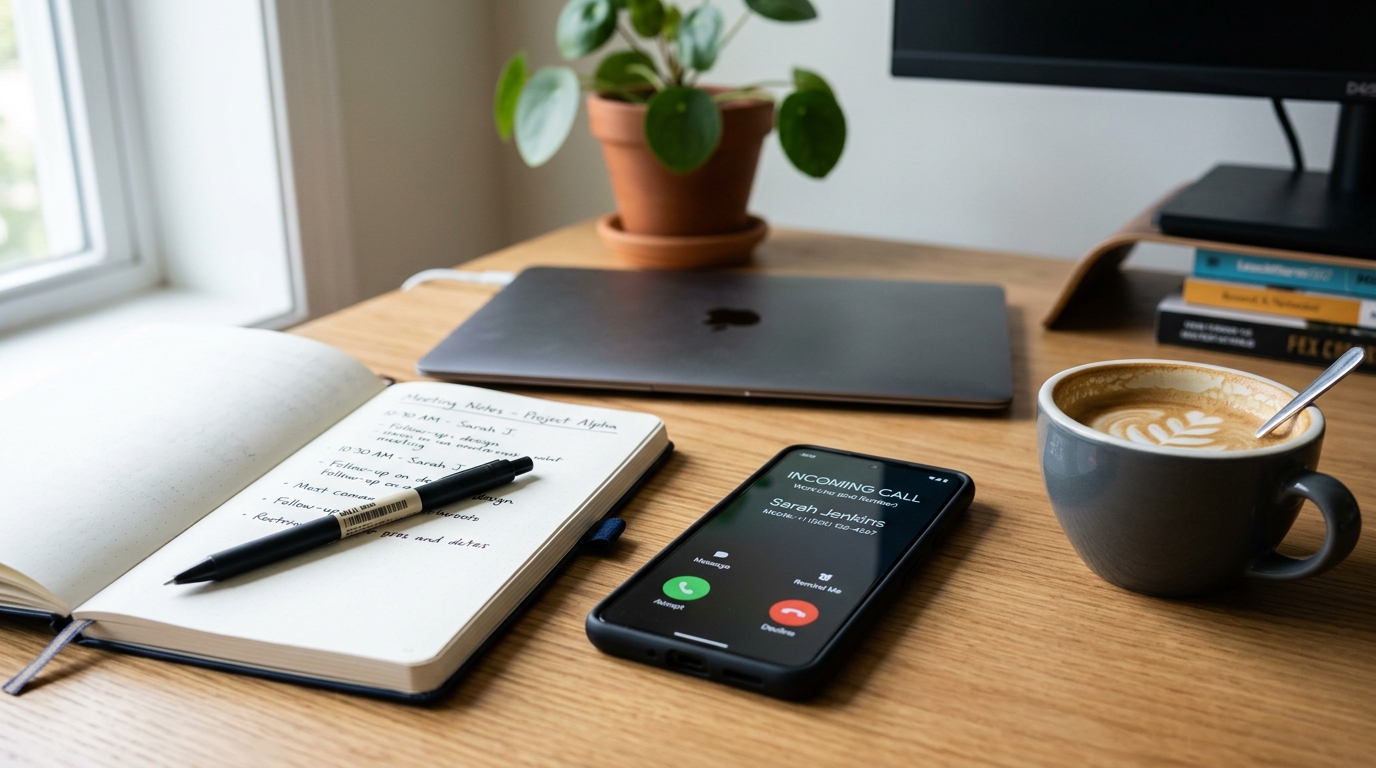
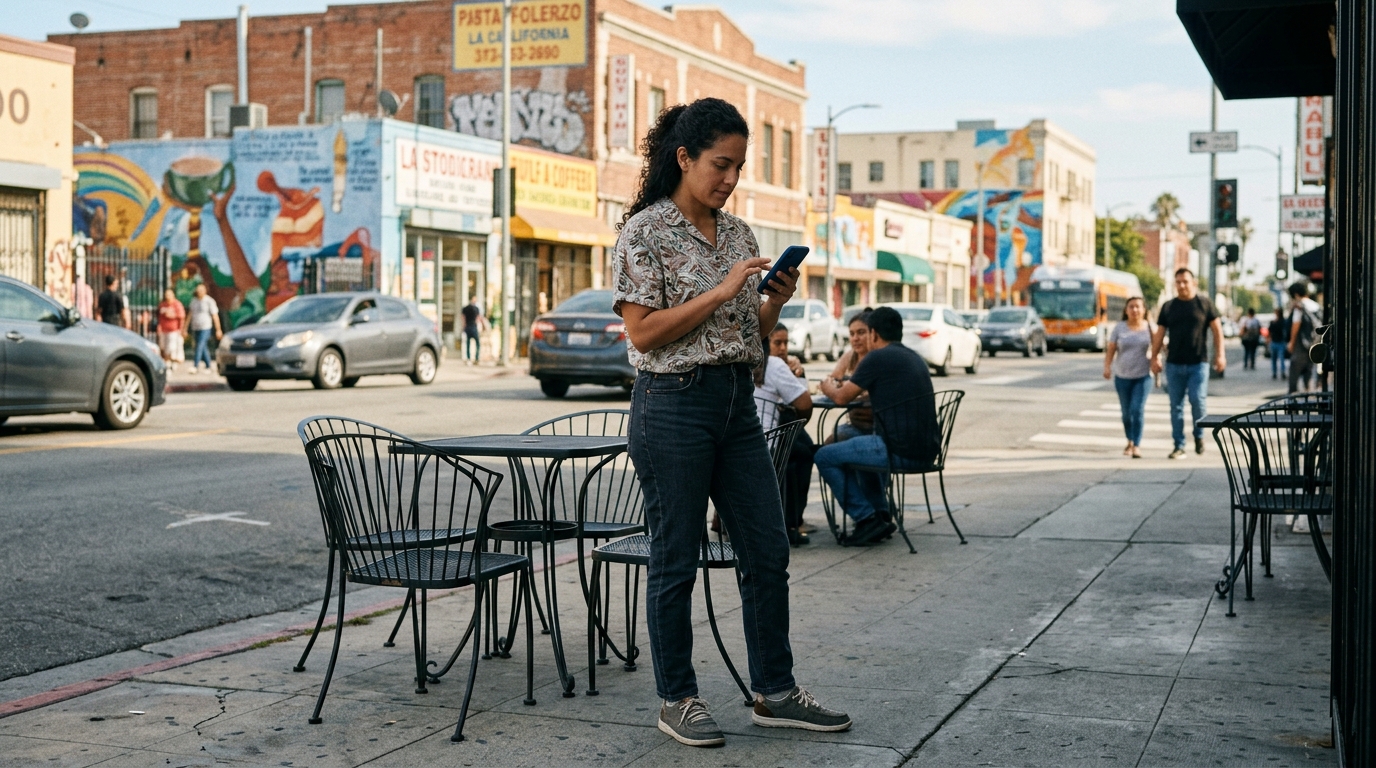
A 323 area code is not just a technical label. It signals Los Angeles identity, local familiarity, and regional relevance. For many users, that still matters more than people assume.
I have observed that area-code choice often shapes first impressions before a call is ever answered. A local-looking number can feel more approachable for neighborhood services, classified listings, creator outreach, community-based projects, and independent client work. That does not guarantee trust on its own, of course, but it removes one small layer of friction.
This is one of the bigger market shifts: users are no longer choosing a second line only for privacy. They are also choosing for presentation. A local number can support how a person wants to be perceived—available, established, and easier to contact.
If your goal is to keep personal and public communication separate while still looking locally reachable, a 323 number makes more sense than a random line with no geographic connection.
Step 3: Track the shift from “free texting” to “usable calling identity”
For a long time, the category was shaped by searches around tools like TextNow, TextFree, Talkatone, or Google Voice. That behavior reflected a certain kind of demand: people wanted low-cost or free communication, usually with lightweight setup and minimal commitment.
That demand still exists. But the category has matured. Users comparing Google Voice, LINE, Zangi, Zangi Messenger, or a burner-style solution are often trying to solve a broader problem than messaging alone. They want a number that feels stable enough for repeat contact. They want incoming calls to make sense. They want to avoid giving out a personal mobile line. And they want all of that without paying for a complicated business system.
In other words, the market is moving from “How do I send texts cheaply?” to “How do I manage a separate communication identity well?”
That distinction is important because it changes how people evaluate a tool. The best option is not always the one that looks cheapest upfront. It is often the one that makes your phone number easier to use over time.
Step 4: Identify who benefits most from this trend—and who does not
Second Phone Number DoCall 2nd is an iPhone and Android app that gives users a second phone number for calls and texts through a virtual number and VoIP setup. The people most likely to benefit are users who need direct, separate communication without carrying another device.
The strongest fit usually looks like this:
- Freelancers who want a client-facing number
- Small business owners testing outreach in a local market
- Marketplace sellers who do not want to expose a personal line
- Remote workers managing short-term projects
- Students or expats who need a second phone number in practical terms—a separate line for limited contexts
Who is this not for? If you need a full enterprise switchboard, advanced call-center routing, or desk-phone-heavy infrastructure, a consumer-focused app is probably not enough. You may need larger VoIP providers or a dedicated VoIP phone service built for multi-seat operations. And if all you need is one-time sign-up verification, you may not need a maintained second number at all.
That kind of clarity matters. A good communication tool should fit the job rather than promise to solve every possible one.
Step 5: Compare what users now expect from a second number category
In practice, the category has become more demanding in five specific ways. Users now look for:
- Direct reachability — They want someone to call a number and get through without a confusing chain of steps.
- Local relevance — A 323 or sometimes even a nearby 213 area code can matter depending on audience and context.
- Clean separation — The point is not only receiving a call, but protecting a personal line from spillover.
- Simple setup — People do not want an IT project. They want an app that is straightforward.
- Predictable cost — Users often compare app pricing against informal alternatives that seem free but create long-term inconvenience.
That last point is where many users misjudge the market. Generic messaging alternatives can work for casual use, but they are not always strong when your number becomes part of your public identity. A direct inward dialing setup, even in simplified app form, tends to feel more deliberate than a stopgap workaround.
Step 6: Avoid common mistakes when choosing a 323 area code number
People often pick a number tool too quickly. Here are the mistakes I see most often:
Mistake 1: Treating every extra number like a burner.
A temporary line and a stable second number solve different problems. If you expect repeat calls, callbacks, or ongoing messages, a disposable mindset usually causes friction later.
Mistake 2: Focusing only on texting.
A lot of users begin with text-first apps, then realize they also need a reliable calling path. That is exactly where direct inward dialing becomes more relevant.
Mistake 3: Ignoring local signaling.
If your contacts are in Los Angeles, a 323 line may simply feel more familiar than a random non-local number.
Mistake 4: Buying into business-level complexity too early.
Not everyone needs the best VoIP for small business category or a large VoIP phone system. Many users need something between a casual messaging app and a company telecom stack.
Step 7: Use a simple framework to decide if direct inward dialing fits your needs
Ask yourself these questions before choosing a tool:
- Will people need to call me back more than once?
- Do I want a dedicated public-facing number instead of sharing my personal mobile line?
- Does a local identity, such as a 323 area code, help my use case?
- Do I need calls and texts together, not just one or the other?
- Am I looking for something lighter than a traditional office phone service?
If you answered yes to most of those, then direct inward dialing features are not just technical extras. They are part of what makes the number genuinely useful.
If you want that kind of separation and direct reachability, Second Phone Number DoCall 2nd is designed for that. It sits in the practical middle ground: more intentional than casual messaging-only alternatives, but much lighter than a full enterprise setup.
Step 8: Learn from broader category behavior, not just app-store labels
One reason this category gets confusing is that users search with mixed intentions. Someone may start with terms like call, phone, text me, or even adjacent searches such as Airalo or Ooma phone, then gradually realize they actually need a separate number with clearer structure.
This is common in communication tech. People search for the symptom first, not the system. They think, “I need to text a buyer,” or “I need a number for a side project,” when the deeper need is account separation and reachable identity.
That broader trend is also why app categories have become more fluid. A product may present itself as a calling app, a texting app, or a virtual number tool, but users are evaluating something more personal: “Will this number work the way I need it to work?”
For readers who want more context on how second-number choices differ from lighter communication tools, I have covered adjacent comparison patterns elsewhere on the blog.
Step 9: Ask the practical questions users usually ask too late
Does direct inward dialing matter for one person, not just a company?
Yes. If you want a number people can call directly without sharing your private line, the benefit is personal as much as operational.
Is a 323 area code useful if I do not live in Los Angeles full-time?
It can be, if your clients, buyers, audience, or project are tied to that area. The value is usually contextual rather than purely geographic.
Is this the same as a full business phone service?
No. A second-number app and a major office telecom setup serve different levels of complexity.
What should I prioritize first: price or usability?
For casual experimentation, price matters. For ongoing public use, usability usually matters more because communication friction costs time and missed replies.
Step 10: Follow the market where it is actually going
The category trend is clear: users are becoming less interested in random extra numbers and more interested in intentional ones. A modern phone number is increasingly expected to be direct, manageable, and separate from a personal line. That is why direct inward dialing now matters to people who would never have used that term a few years ago.
For anyone weighing a 323 area code, the real question is not just whether you can get one. It is whether that number functions like a reliable contact point. That is the standard users are moving toward.
And that shift makes sense. As more work becomes flexible, more selling becomes peer-to-peer, and more people manage multiple roles from one device, the value of a dedicated number keeps growing. Not every user needs a complex telecom stack. But many do need a clearer, more direct line than the old free-texting mindset was built to provide.
That broader app trend is part of a larger mobile product shift as well, where companies like Dynapps LTD focus on practical consumer tools that reflect how people actually communicate now: across roles, across contexts, and often from a single device.