

Early in my career as a communications engineer, I spent countless hours analyzing server logs to figure out why users were dropping their virtual lines after just a few weeks. The prevailing industry assumption was that people only wanted a 2nd phone number for short-term anonymity. Fast forward ten years, and passing the 50,000-user milestone with Second Phone Number DoCall 2nd has completely rewritten that narrative. The data clearly shows that modern professionals no longer want a disposable free text app; they require a dedicated VoIP phone service built on AI-driven infrastructure to permanently separate their professional and personal communications.
It is easy to look at download numbers and assume success, but retention is the only metric that reveals actual utility. When we evaluated our growth patterns, we noticed a distinct shift in how people view digital telecom. They are stepping away from ad-heavy tools and demanding enterprise-grade reliability in their pockets.
Speed dictates survival in the modern telecom sector
There is a massive misconception that offering a high volume of features will keep users engaged. My experience suggests otherwise: if an app is slow to connect a call or delays a message, the user will abandon it immediately. A recent 2026 Mobile App Trends report by industry analysts backs this up, noting that 70% of users delete slow apps on their very first use. That margin of error is virtually nonexistent.

When someone is trying to close a deal or handle client support, they do not have the patience for latency. Legacy platforms—often those operating on the "now text now" mindset—struggle because their backend servers are overloaded with ad-tracking scripts. Users who initially experiment with a text free or talkatone alternative quickly realize that missing an inbound client call due to app lag is unacceptable.
This is why a modern voip phone system must prioritize packet routing speed above all else. We designed DoCall 2nd specifically for freelancers, consultants, and small teams who cannot afford dropped connections. Conversely, this infrastructure is not for someone looking to briefly verify an online account and delete the app; those users are better served by temporary SMS portals.
Artificial intelligence is now core infrastructure, not an optional feature
For years, VoIP providers treated smart routing and spam filtering as premium add-ons. That era is over. Data from Adjust’s 2026 global benchmark report highlights a critical shift: AI technologies have fully transitioned from being a strategic tool to becoming essential underlying infrastructure. In telecommunications, this means AI is actively managing bandwidth allocation and actively deflecting spam before the user's phone ever rings.
As my colleague Berk Güneş detailed in a recent analysis on why AI infrastructure is fixing the broken VoIP experience, intelligent segmentation is what separates a professional tool from a generic textnow or zangi clone. When your system can automatically recognize and deprioritize low-trust inbound traffic, you regain control over your focus.
We see this demand consistently across international markets as well. When analyzing global search trends, professionals look for a highly optimized app that serves as a permanent second line. Whether they are searching for a localized phone number or a platform that provides virtual VoIP services, the underlying intent is identical: they want AI-backed reliability, not a basic dialer.
Professionals are actively outgrowing the disposable number mindset
There was a time when the word "burner" dominated the virtual number space. People would download a textplus or text me variant, use it for a weekend project, and discard it. However, the gig economy and remote work have forced a maturity in how we handle our contacts. Maintaining a local presence, such as holding a consistent 213 area code, signals stability to your clients.
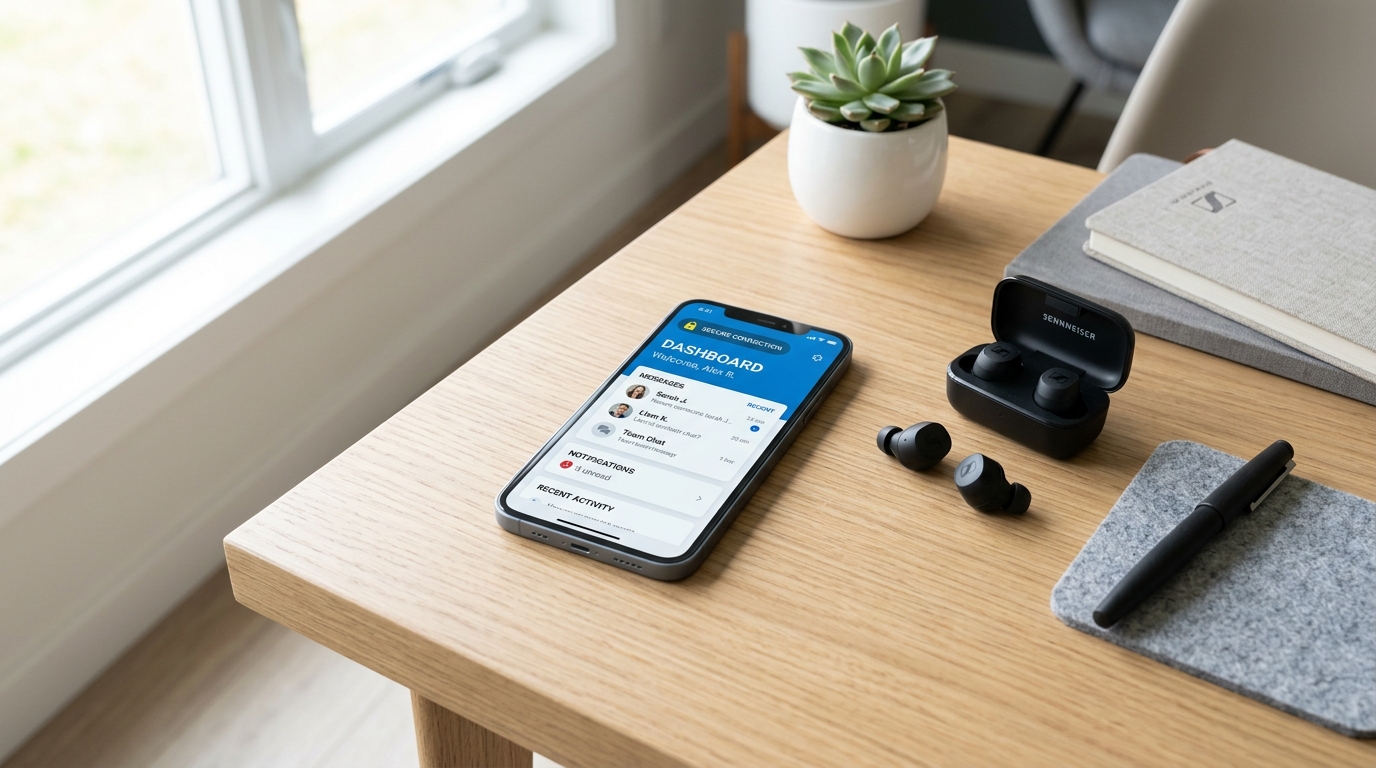
I frequently observe users migrating to our platform after growing frustrated with google voice or googlevoice enterprise limitations. They need the best voip for small business operations—something that feels native to their device but operates entirely in a secure sandbox. Much like how international travelers now rely on tools like Airalo for instant, easy data connectivity instead of buying physical SIM cards, professionals are adopting an app-based voip phone service for instant voice connectivity.
As İrem Koç pointed out while covering the app economy's move away from free text apps, the financial model of telecommunications is evolving. Users willingly pay for a premium voip service because the cost of miscommunication—a lost client, a leaked personal number, an unprofessional voicemail—far outweighs the monthly subscription fee of a reliable system.
A clear decision framework prevents costly communication mistakes
Selecting the right communication stack can feel overwhelming given the sheer volume of options. From enterprise hardware like an ooma phone to lightweight messengers like zangi messenger or line, the market is saturated. To avoid migrating your contacts multiple times, apply this straightforward selection framework:
- Assess Data Privacy: Does the app sell your usage data to serve ads? If it is marketed as a text free or textfree solution, the answer is usually yes. A professional voip phone should strictly isolate your data.
- Verify Infrastructure Independence: Can the service route calls effectively over both Wi-Fi and cellular networks without relying on your primary carrier's voice protocol?
- Evaluate Longevity: Is the app designed to host your number for years, or is it structured around short-term usage? Look for platforms that support direct inward dialing and permanent porting.
At Dynapps LTD, we built Second Phone Number DoCall 2nd around these specific criteria because we saw the friction users experienced with generic alternatives.
It is perfectly valid to argue that simple, ad-supported apps still have a place in the market for casual users. If you just need to send a quick SMS to a marketplace seller, a temporary app might suffice. However, if your income, reputation, or daily workflow relies on answering that call with crystal-clear audio and zero lag, treating your telecommunications as an afterthought is a structural liability. The milestone we just reached proves that tens of thousands of users have already figured this out.