

Are you relying on a makeshift setup of ad-supported applications to handle your professional messages and calls? A dedicated 2nd phone number is a virtual line that operates on cloud infrastructure, cleanly separating your personal and professional communications securely on a single device. When clients demand answers right away, the now text now applications often seem like the most immediate, zero-cost solution for freelancers and small teams. However, as a backend developer managing API integrations and communication architectures, I constantly see the technical fallout of using disposable networks for permanent business relationships.
The global communication infrastructure is currently undergoing a massive protocol shift. According to recent market data, 98% of consumers prefer text messages for business communications, yielding open rates of 98% within just three minutes. With text messaging driving a 4.5x higher ROI than email, the channel you choose to deliver those messages matters significantly. Yet, many professionals still operate under outdated assumptions about how virtual numbers work. Let’s look at the most common misconceptions about mobile communication and explore what actually happens to your data when you hit send.
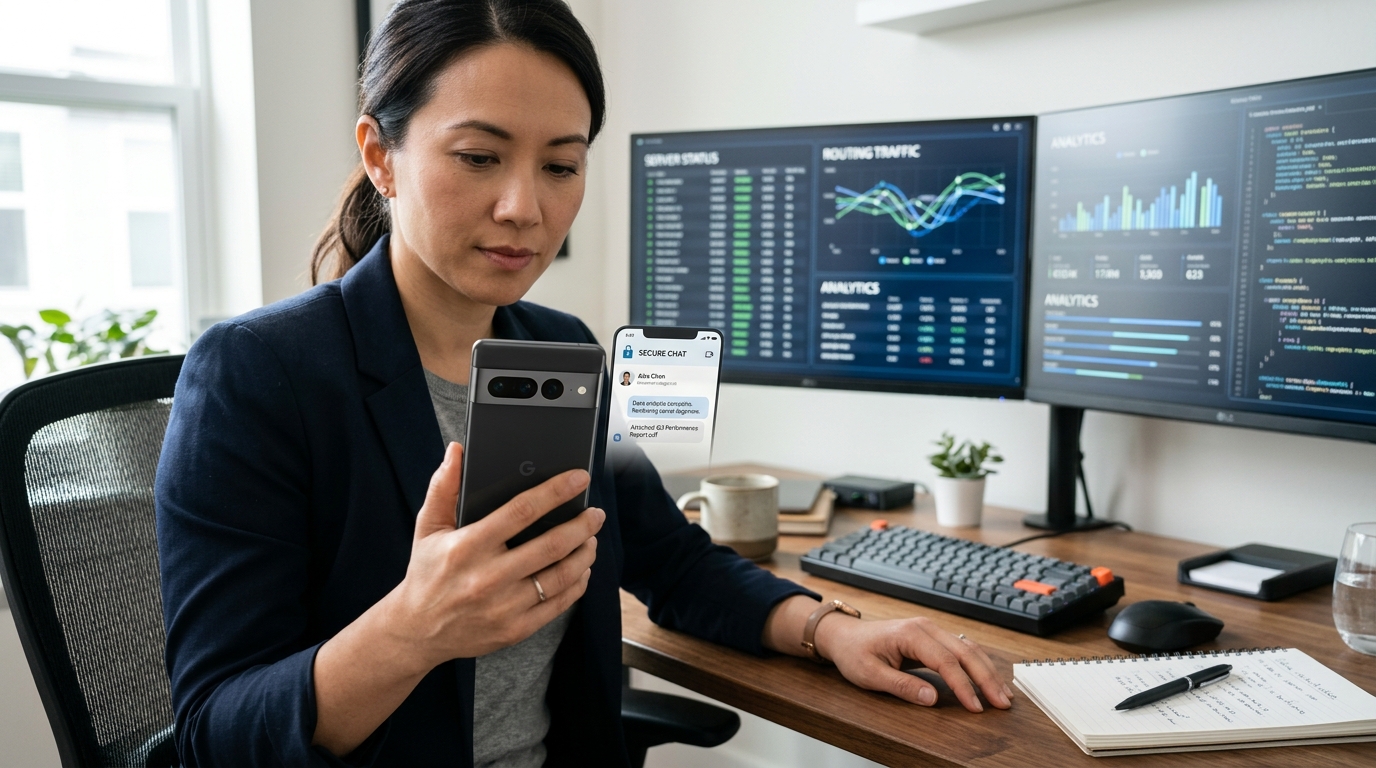
Why do users believe free text apps offer business-grade privacy?
There is a widespread assumption that any app generating a temporary number inherently protects your identity. People often search for a free text app, download the first result, and assume their main device is isolated. This is the first major myth.
When you use ad-supported services like text free, zangi, or talkatone, your communication is often subsidized by data monetization. On the backend, these applications require extensive permissions. They route your messages through shared, low-priority SIP (Session Initiation Protocol) trunks. Because the numbers are recycled aggressively, you might inherit a number previously flagged for spam.
In contrast, a dedicated VoIP phone service assigns numbers systematically. As my colleague Naz Ertürk has noted regarding second phone number privacy myths, true isolation requires structural separation at the server level, not just a different user interface. If you are handling sensitive client data, the now text now mentality—prioritizing immediate access over infrastructure security—leaves you vulnerable to cross-app tracking.
Is a generic messaging workflow costing you client trust?
Another persistent myth is that an SMS is just an SMS, regardless of where it originates. Many independent contractors believe that communicating via textnow, text me, or line looks exactly the same to the recipient as a message sent from a major carrier.
From an engineering perspective, this is false. Telecom carriers utilize strict A2P (Application-to-Person) filtering algorithms. When you send a project update via a temporary textplus or textfree number, carrier firewalls often flag the domain or the IP block associated with that free service. Your urgent message gets silently dropped into a spam folder, and you are left wondering why the client never responded.
Data from recent reports highlight that 97% of Americans own a cell phone, and RCS (Rich Communication Services) is expected to replace traditional SMS for 60% of Android users by the end of the year. Legacy free apps are struggling to implement RCS encryption protocols. If you want high deliverability, Second Phone Number DoCall 2nd's VoIP architecture is designed exactly for that—giving freelancers, consultants, and small teams verified, high-trust routing channels. (Note: This app is strictly for legitimate professional use. It is NOT for bulk marketers or users trying to bypass SMS verification filters on social media platforms.)
Does a reliable 2nd phone number require another physical device?
I frequently hear from business owners who think they need to purchase a secondary handset or set up a complex dual-SIM configuration to achieve a true separation of calls. They assume that getting a distinct 213 area code or a localized business line requires physical hardware or at least a travel-focused data solution like an airalo eSIM.
This is entirely outdated. You do not need a second device or an expensive hardware-based VoIP phone system to secure a secondary line. Modern mobile infrastructure utilizes direct inward dialing (DID) directly through your existing smartphone's data connection. When someone dials your virtual number, our servers intercept the request, perform a database lookup via our APIs, and route the audio packets over WebRTC directly to your application.
We built Dynapps LTD applications, including Second Phone Number DoCall 2nd, on this exact principle. You download the app, select your region, and instantly possess a fully functional phone line that operates independently of your native SIM card. It renders the old burner phone concept completely obsolete.
Can a mobile VoIP setup truly replace legacy small business landlines?
The final myth involves scaling. Many startups believe that mobile VoIP applications are only good for individual use, and that once a business grows, they must migrate to an enterprise google voice setup, an ooma phone base station, or bulky desktop hardware to be taken seriously.
If you are evaluating the best voip for small business, you must look at API flexibility rather than plastic hardware. The reality of modern telecommunications is that cloud-native environments are far more resilient than legacy PBX systems. When a team compares googlevoice, zangi messenger, and dedicated VoIP providers, they are really comparing routing efficiency.
Here is how you should evaluate your next communication tool:
- Infrastructure Ownership: Does the app utilize premium SIP trunks, or are they routing calls through shared, ad-supported gateways?
- Data Portability: Can you export your contacts and call logs, or are you locked into a proprietary ecosystem?
- Protocol Support: Is the app equipped to handle the transition to RCS, ensuring your messages actually render properly on the client's device?
- Separation Controls: Does the app offer customizable business hours to silence client pings during your off-hours?
When a client has an emergency and needs you right now text now solutions built on fragile, ad-heavy frameworks will inevitably drop the call or delay the message. The backend infrastructure of the modern telecom sector dictates that professionals must migrate toward dedicated VoIP providers. By securing a reliable VoIP phone setup, you are not just buying a secondary string of digits; you are investing in a private, highly deliverable data channel that protects both your business reputation and your personal peace of mind.